North Shore Camping Guide: Where to Camp Along Lake Superior
Updated: 4 hours ago
There's something about Minnesota's North Shore that makes you want to slow down.
Maybe it's the way Lake Superior seems to stretch forever. Maybe it's the rocky shoreline, the waterfalls, or the forests that run right up to the water.
Or maybe it's simply that you can drive a few hours from the Twin Cities and feel like you've traveled somewhere entirely different.
Whatever brings you here, camping is one of the best ways to experience it.
But there's one thing worth understanding before you start making reservations: not all North Shore camping experiences are the same.
Some campgrounds put you within walking distance of Lake Superior. Others are tucked into the forest, miles from the shoreline. Some are perfect for RVs and families, while others require you to carry your equipment to a more secluded campsite.
And where you choose to stay can make a surprisingly big difference in your trip.
Here's how we'd approach camping along Minnesota's North Shore, from Duluth all the way to the Canadian border.
Where Does Minnesota's North Shore Begin?
For most travelers, the North Shore adventure starts in Duluth.
From there, Highway 61 follows Lake Superior northeast through Two Harbors, Silver Bay, Schroeder, Lutsen, Grand Marais and eventually Grand Portage.
It's one of Minnesota's most scenic drives, but we'd encourage you not to treat it as a race to the end.
There's enough to explore along the way that you could easily spend an entire vacation in just one section of the shoreline.
CampingReporter Tip:
If this is your first North Shore camping trip, pick one primary campground and explore the surrounding area. Constantly packing up and moving campsites can turn a relaxing vacation into a surprisingly busy one.
Camping Near Duluth: The Gateway to Lake Superior
Duluth is a natural starting point, especially if you're arriving from the Twin Cities.
It's also a good place to spend some time before heading farther up the shore.
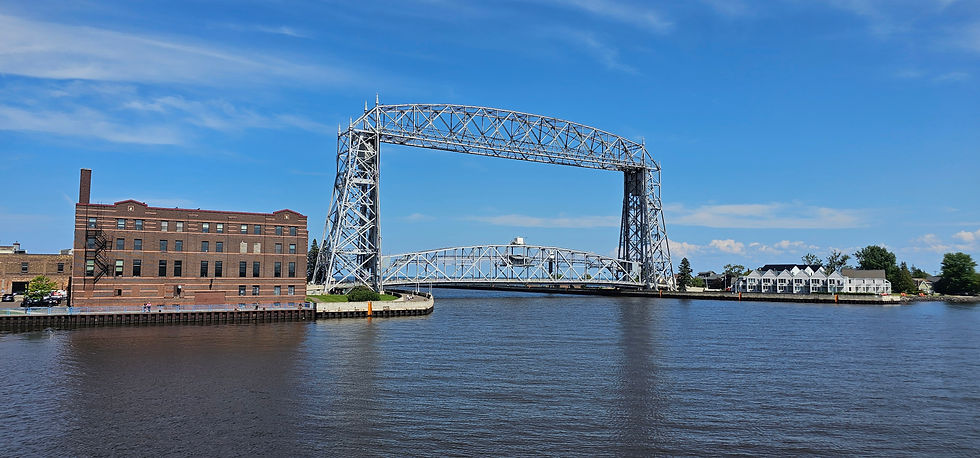
Canal Park, the Aerial Lift Bridge, the Lakewalk and the waterfront are worth exploring.
And if you've never watched a large ship enter the harbor beneath the raised bridge, put that on your list.
But Duluth is also different from the rest of the North Shore.
It's a city, complete with traffic, restaurants, shopping and plenty of activity.
If you're looking for quiet evenings surrounded by forest, we'd generally continue a little farther northeast before setting up camp.
Camping options worth considering:
Jay Cooke State Park: Located southwest of Duluth, this is a good option for campers who want wooded surroundings, hiking and access to the St. Louis River. It isn't on Lake Superior, but Duluth is within driving distance.
Private campgrounds around Duluth: These may be worth considering if you need RV hookups, more developed facilities or convenient access to the city.
Our preference? Visit Duluth on the way up or down, then make the shoreline itself the focus of your camping trip.
That said, if you've never explored Jay Cooke State Park, it's worth considering as a destination of its own.
Two Harbors and Gooseberry Falls: An Excellent First North Shore Basecamp
Once you leave Duluth and continue northeast, the trip starts feeling more like the North Shore people imagine.
The shoreline becomes rockier, the forests become more prominent, and the opportunities to pull over and explore seem almost endless.
This is where we'd start looking seriously at campgrounds.
Gooseberry Falls State Park
For someone planning their first North Shore camping trip, Gooseberry Falls State Park is one of our favorite places to recommend.
The waterfalls are the obvious attraction, but the park offers more than a quick stop to see rushing water.
You can explore hiking trails, walk toward Lake Superior and spend time in the park without repeatedly getting into your vehicle.
The campground offers traditional drive-in camping in a wooded setting.
It's a particularly good fit for tent campers and travelers who want a conventional state park experience without being far from major attractions.
There is one important consideration: Gooseberry Falls does not offer electric hookups at its campsites.
If electricity is important to your RV or camping setup, you'll want to consider other options.
We've covered the campground, nearby alternatives and practical planning considerations in our separate guide:
Why We'd Choose This Area
Two Harbors and Gooseberry Falls make a great base if you want to explore the southern portion of the North Shore without spending hours driving every day.
You can visit waterfalls, explore shoreline overlooks and still return to the same campsite each evening.
For a first trip, that's hard to beat.
Silver Bay and Split Rock Lighthouse: Scenic Camping Options
Continue northeast and you'll reach one of the most recognizable landmarks in Minnesota: Split Rock Lighthouse.
Perched high above Lake Superior, the lighthouse is worth visiting even if you're not especially interested in maritime history.
But this area is also an excellent place to camp.
Split Rock Lighthouse State Park
One thing that surprises some visitors is that Split Rock now offers two very different camping experiences.
Shipwreck Creek Campground has 46 electric drive-in campsites, making it a practical option for RVs, campers and people who prefer parking at their campsite.
The park also offers rustic cart-in campsites closer to the Lake Superior shoreline.
Those sites require moving your gear from the parking area, but they offer a different experience from a conventional drive-in campground.
If we were bringing an RV or needed electricity, Shipwreck Creek would be our first choice.
If we were tent camping and wanted a quieter experience closer to Lake Superior, we'd seriously consider the cart-in sites.
We explain the differences in much more detail here:
Don't Miss Black Beach
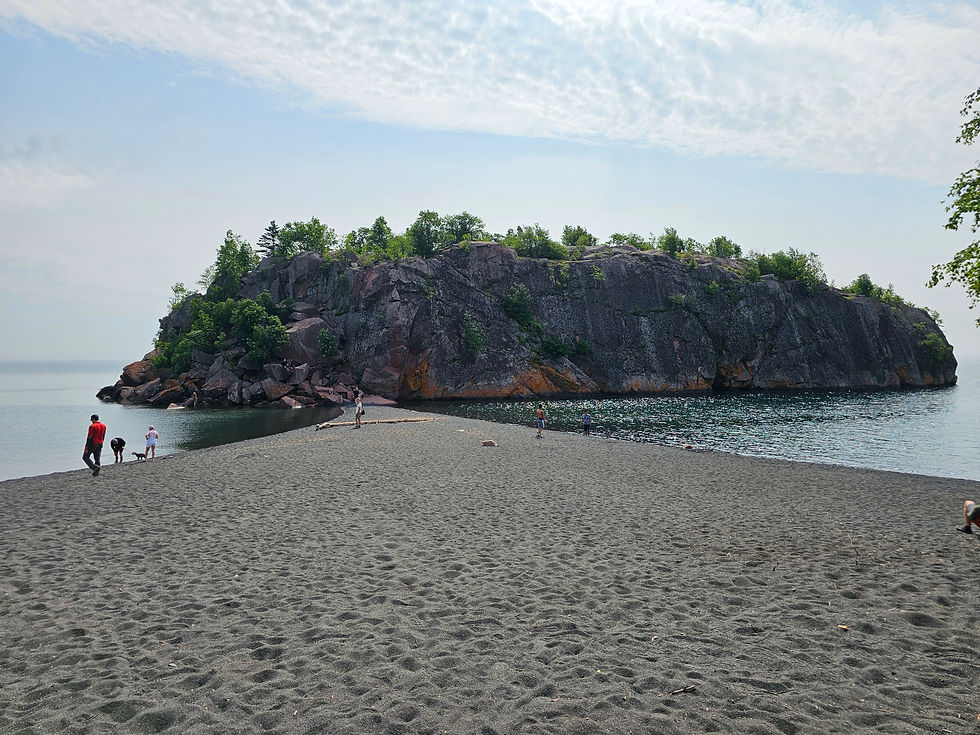
While you're in the Silver Bay area, make time for Black Beach.
The dark sand, rocky shoreline and surrounding cliffs make it noticeably different from many of the other beaches along Lake Superior.
It's one of those places where the scenery feels a little unexpected, even if you've spent plenty of time exploring Minnesota.
And it's a great place to stop for a walk, take photographs or simply enjoy the lake.
CampingReporter Tip:
Black Beach is a place to visit, not a reason to assume you can pitch a tent anywhere along the shoreline. Use designated campsites and check local rules before planning an overnight stay.
Tettegouche and Schroeder: For Hikers and Scenic Adventures
Farther northeast, the landscape becomes increasingly dramatic.
The cliffs are taller, the hiking opportunities expand, and the North Shore begins to feel a little more remote.
This is the section we'd seriously consider if hiking and exploring are the main reasons for your trip.
Tettegouche State Park
Tettegouche is one of the North Shore's standout parks.
The park is known for its rugged Lake Superior shoreline, hiking trails, waterfalls and elevated viewpoints.
It's an excellent choice if your ideal camping day involves spending several hours on the trail.
Tettegouche offers different camping experiences, including drive-in and more rustic options. You'll want to pay attention to the campsite type when making a reservation rather than assuming every site is accessible directly by vehicle.
We'd lean toward Tettegouche for an active camping trip focused on hiking.
If you're primarily interested in visiting Split Rock Lighthouse and Gooseberry Falls, we'd probably stay farther southwest instead.
Lamb's Resort in Schroeder
State parks aren't the only way to camp along Lake Superior.
Lamb's Resort in Schroeder is a private campground worth considering, particularly if you want a campground with RV options and access to Lake Superior.
Private campgrounds can offer a different balance of convenience, amenities and camping atmosphere compared with state parks.
For some families, that can be exactly what they're looking for.
Just remember that being located along Lake Superior doesn't necessarily mean every campsite has a lake view.
When choosing a site, check the campground map and the description of the specific campsite you're reserving.
Lutsen and Grand Marais: A Different Pace
By the time you reach Lutsen and Grand Marais, you're well into the northern portion of the North Shore.
The scenery is still spectacular, but the atmosphere changes.
The drive is longer, the towns are smaller, and there are plenty of opportunities to explore inland as well as along the shoreline.
This is an area we'd choose for a longer trip rather than a quick overnight getaway.
Camping Around Lutsen
The Lutsen area makes a good base if you want to combine Lake Superior scenery with hiking in the surrounding hills and forests.
Nearby Superior National Forest camping options are worth researching, particularly if you prefer a quieter setting away from the busiest shoreline attractions.
But pay attention to distances.
A campground described as being near Lutsen may be several miles inland, and some forest roads may be gravel.
That might be perfectly fine for your trip, but it's something we'd want to know before making reservations.
Grand Marais Recreation Area
Grand Marais is one of our favorite North Shore destinations, combining a charming harbor town with access to some remarkable scenery.
The Grand Marais Recreation Area offers developed camping with options for tents and RVs.
Its location is particularly convenient if you like the idea of spending the day exploring and then walking into town for a meal, shopping or a visit to the harbor.
It's a different camping experience from a secluded forest campsite.
But that's not necessarily a bad thing.
Sometimes having restaurants and a beautiful harbor within walking distance is exactly what makes a trip memorable.

We'd choose Grand Marais when we wanted a combination of camping, exploring and enjoying the town itself.
Grand Portage: The Far Northern Shore
If you're willing to keep driving northeast, the North Shore continues toward Grand Portage and the Canadian border.
This area rewards travelers who want to explore beyond the most frequently visited destinations.
Judge C.R. Magney State Park
Judge C.R. Magney State Park is best known for the Devil's Kettle waterfall and the hiking trail leading to it.
The park offers a more traditional, wooded camping experience rather than a resort-style campground on the shoreline.
We'd consider it for travelers who enjoy hiking, quieter surroundings and exploring the northern reaches of the North Shore.
The Devil's Kettle hike is a major attraction, but don't underestimate the terrain. The trail includes a substantial number of stairs.
Exploring Grand Portage
Farther northeast, Grand Portage offers opportunities to experience another part of the region's history and landscape.
Grand Portage National Monument and Grand Portage State Park are both worth researching when planning a longer North Shore itinerary.
If you're camping in this area, confirm the campground's location and facilities in advance. Not every major attraction has an overnight campground attached to it.
This is one of those trips where a little advance planning makes a big difference.
State Parks, Private Campgrounds or National Forest?
One of the biggest decisions when planning a North Shore camping trip is choosing the type of campground.
There's no single correct answer.
It depends on how you like to camp.
Minnesota State Parks
State parks are usually where we'd start for a first North Shore camping trip.
They offer established campgrounds, access to hiking trails and a fairly predictable camping experience.
They're also popular, especially during summer weekends and fall color season.
Reservations are strongly recommended when available.
Private Campgrounds
Private campgrounds can be a great fit for RV owners, families or campers who want particular amenities.
Depending on the property, you may find electric hookups, full-service RV sites, showers, laundry facilities or other conveniences.
Amenities vary considerably, so check the specific campground rather than assuming they're all alike.
Superior National Forest
National forest camping offers another possibility, especially if you enjoy wooded campsites, smaller campgrounds and spending time away from busy tourist areas.
Some developed campgrounds are located near inland lakes rather than Lake Superior itself.
That can be an advantage if you want a quieter atmosphere or are planning activities such as fishing and paddling.
However, national forest campgrounds vary in road access, amenities, reservation requirements and seasonal availability.
We'd check all of those details before committing to a site.
CampingReporter Tip:
If your goal is to wake up near Lake Superior, don't assume that a campground with "North Shore" in its description is actually on the lake. Check the map and the individual campsite location.

When Is the Best Time to Camp Along Lake Superior?
Every season brings something different to the North Shore.
Summer is the most straightforward choice for most campers. The days are long, attractions are active and the weather is generally more accommodating.
It's also the busiest season.
Early fall might be our favorite compromise. Cooler temperatures can make hiking more comfortable, and the changing leaves can transform the landscape.
But fall weekends can be extremely popular, so don't assume you'll have an easier time finding a campsite.
Spring can be beautiful, especially when waterfalls are flowing strongly.
It's also unpredictable.
Lake Superior has an enormous influence on local conditions, and temperatures along the shoreline can feel dramatically different from areas farther inland.
Even in summer, we'd bring layers and a warm jacket.
A beautiful forecast in Duluth doesn't guarantee identical conditions farther up the shore.
A Few Things to Know Before You Go
Reserve early. Popular North Shore campgrounds can fill quickly during peak periods. Check current availability and reservation rules through the Minnesota DNR or the individual campground.
Check your campsite amenities. Not every campground offers electricity, and not every RV site has water or sewer hookups.
Know the difference between lakefront and lake access. A campground may be near Lake Superior without offering a view from your site.
Plan for changing weather. Bring layers, rain protection and appropriate sleeping gear.
Use approved firewood. Follow current Minnesota DNR rules to help prevent the spread of invasive pests.
Check road conditions. Some inland forest campgrounds require traveling on gravel roads.
Don't overpack your itinerary. The North Shore is better when you leave time for unexpected stops.
For official campground details, park information and reservations, start with the Minnesota Department of Natural Resources.
For national forest camping information, visit the Superior National Forest.
Our Pick: Where Should You Camp on the North Shore?
If this were our first North Shore camping trip, we'd probably choose Gooseberry Falls or Split Rock Lighthouse State Park.
Both put you close to some of the region's best-known attractions, and either one can serve as an excellent base for exploring.
If hiking were the main priority, we'd look seriously at Tettegouche State Park.
If we wanted a combination of camping, restaurants and a walkable harbor town, Grand Marais Recreation Area would be hard to ignore.
And if the goal were to get away from the busiest destinations, we'd explore the smaller campgrounds farther north or inland in Superior National Forest.
But here's the bigger point.
You don't need to see the entire North Shore in one trip.
In fact, we'd argue that trying to do everything is one of the easiest ways to miss what makes the area special.
Pick a campground. Set up your tent or camper. Explore the surrounding area.
And leave yourself enough time to sit beside Lake Superior without worrying about where you need to be next.
That's when the North Shore really starts to feel like a vacation.


Comments